From early September till mid-December 2024, we resided in the coastal part of Humboldt County, a month in Eureka, then two months in McKinleyville. Both towns are in the same general area, the area of the county most people think of when someone says “Humboldt County.” But there is much more in terms of culture and habitat types to this northwestern California county than just Wigi (Humbodlt Bay), and the banana slug habitat of the coastal redwood belt.
In this blog, I summarize our stint here like I used to do more regularly (*tisk tisk* Chloe) and highlight some of the interesting critters we photographed during our adventures. McKinleyville marks our 30th move among 22 different locations since becoming nomads in 2020.

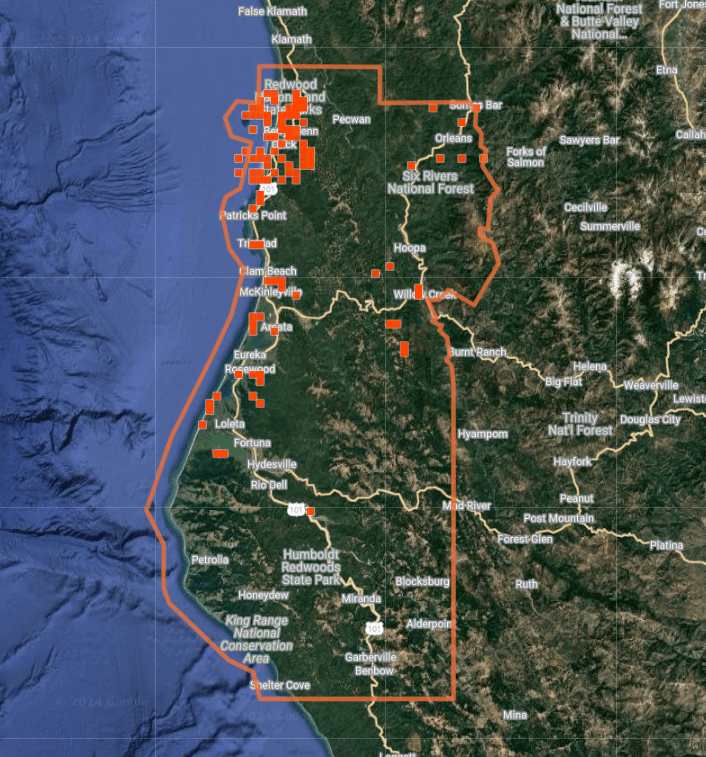
Two years ago, we also spent a few months in this general area. Both times, we focused our naturalist endeavors on mushrooms, the intertidal, and insects. This year, for various reasons, we weren’t as intense about documenting nature, but we still managed to make ~1,395 observations of ~630 species, all recorded on iNaturalist (stats as of Jan ’25). See the maps above for reference.
I was fortunate again to be a volunteer guide for Friends of the Dunes as part of the Bay2Dunes field trip program, as I had done two years prior. But this time, I went to primarily elementary schools to do the pre-field trip presentation. I particularly enjoyed presenting to the kiddos at Blue Lake and Hydesville Elementary the most. I will remember fondly one particular presentation. Each presentation involved a skit, and during that skit, I conducted the kids that play the miners or loggers to plant invasive European Beach grass in the dune ecosystem. During this particular presentation (which was my final one), it really tickled me, as the two boys playing the miners wanted to make right what they had done by “planting” native plants at the end of the skit. This is not part of the original skit, as the kids playing “nature” do the planting. No other class wanted to do this. This was so incredibly awesome; perhaps little ecologists in the making.
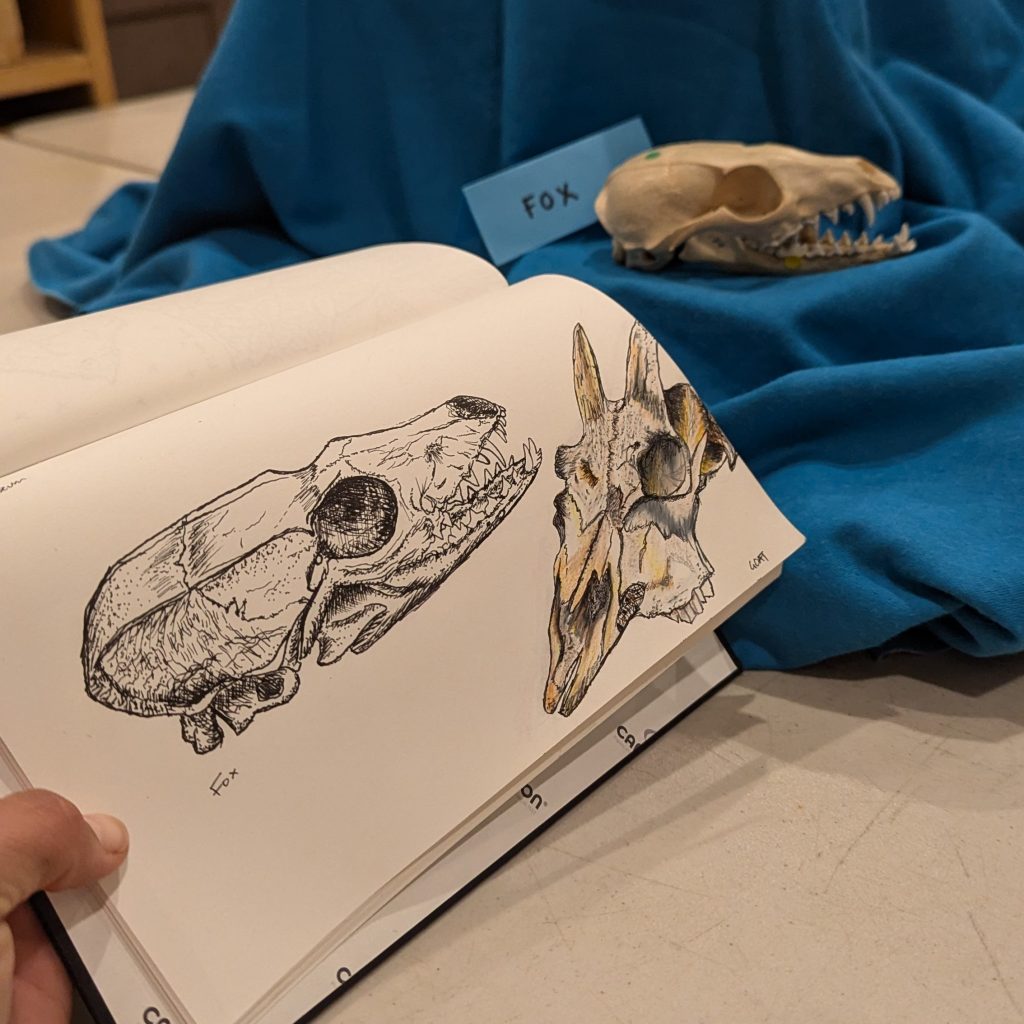
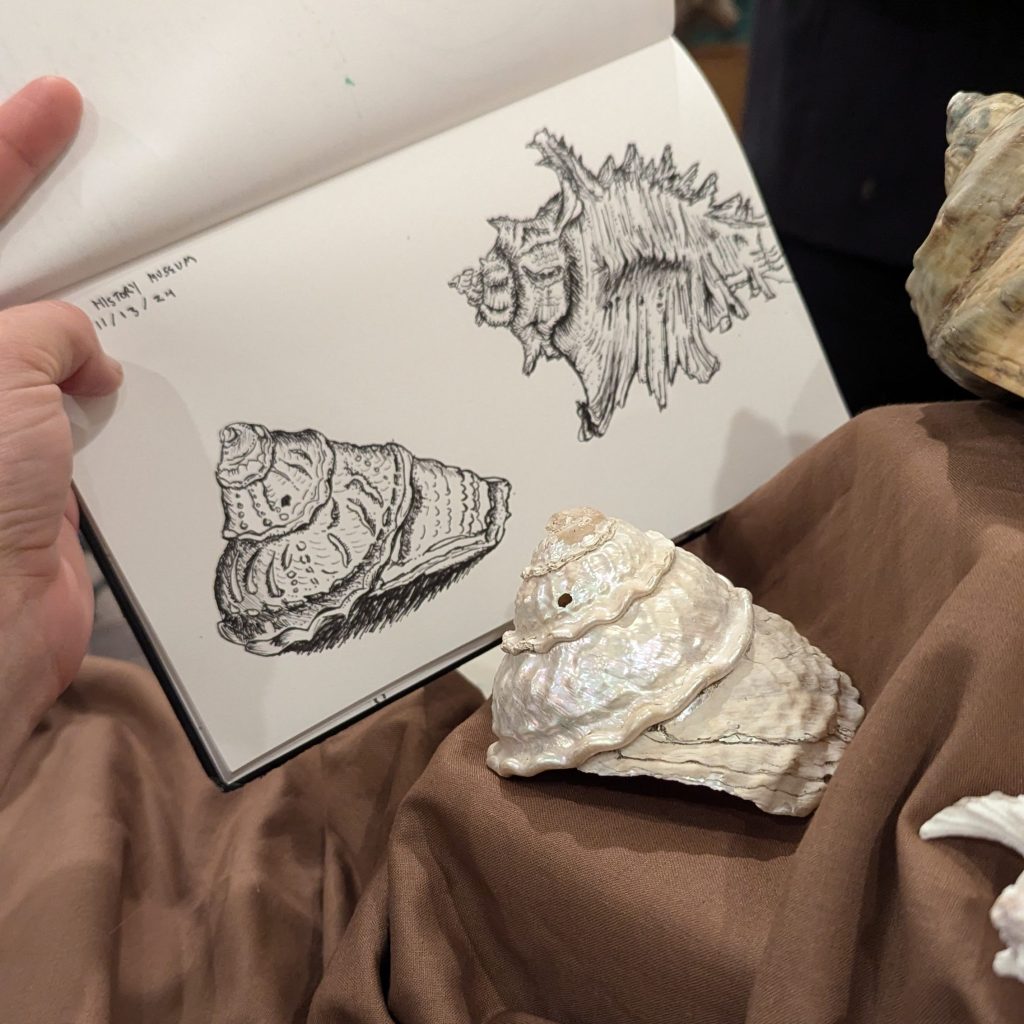

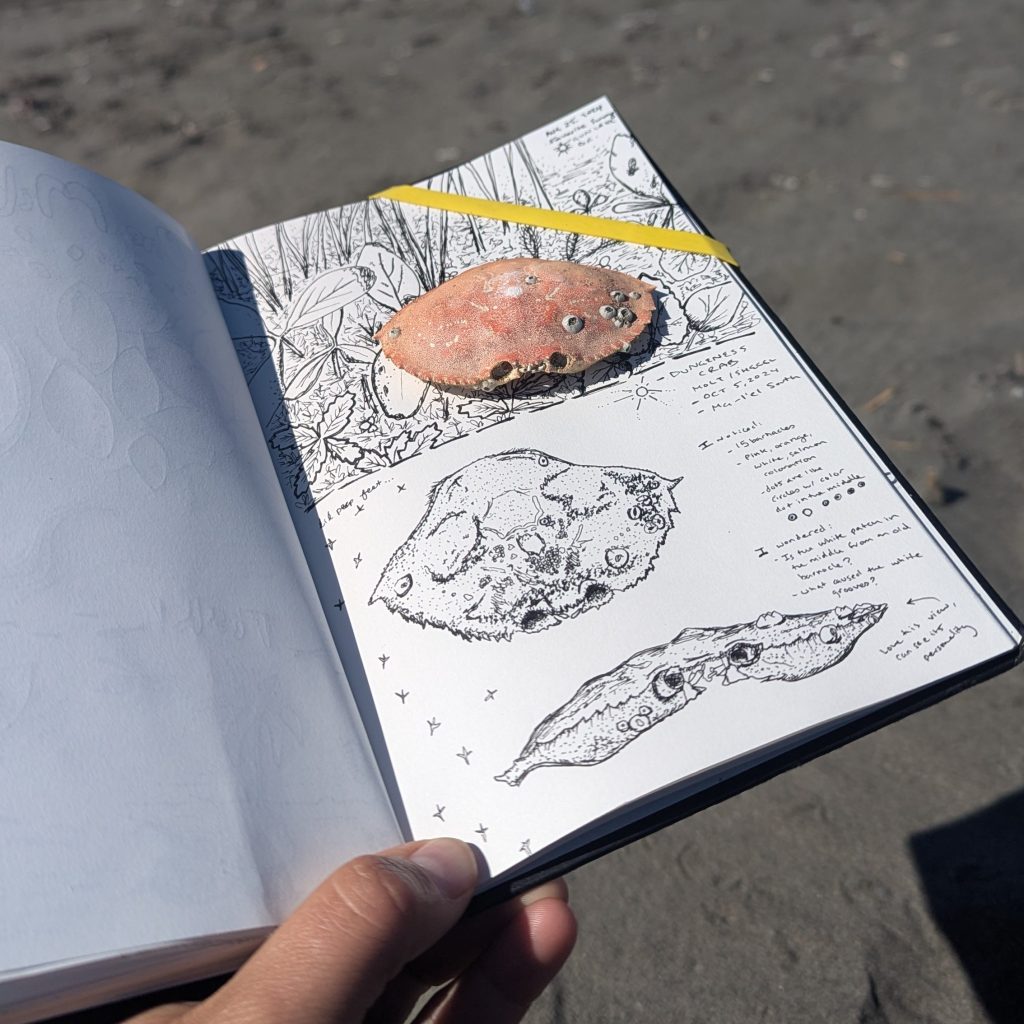
During this stint in Humboldt, I also took advantage of being in one spot to do some social things in the community. I went on three different bird walks, made many trips to various farmers markets, and attended a few nature journal-y events. The Cal Poly Humboldt Natural History Museum held monthly Scientific Illustration nights, which I attended, and I went to one nature journal meet-up at the Arcata Marsh.
Fungi & Humboldt, an iconic duo
Initial mental images of Humboldt County for most people are likely one or all of the following: large redwood trees, mushrooms, bigfoot, mushrooms, banana slugs, weed, and mushrooms. We, of course, partook in the mushroom hunting, mostly just to document the biodiversity. I went on multiple fungal surveys with my friend Mandy while based here too. Below are some of my favorite mushroom finds, nothing too rare, new, or crazy, but these ones delighted me in some manner. Fuzzy, gooey, spine-y, unusually pointy, or parasitic, all great fun!


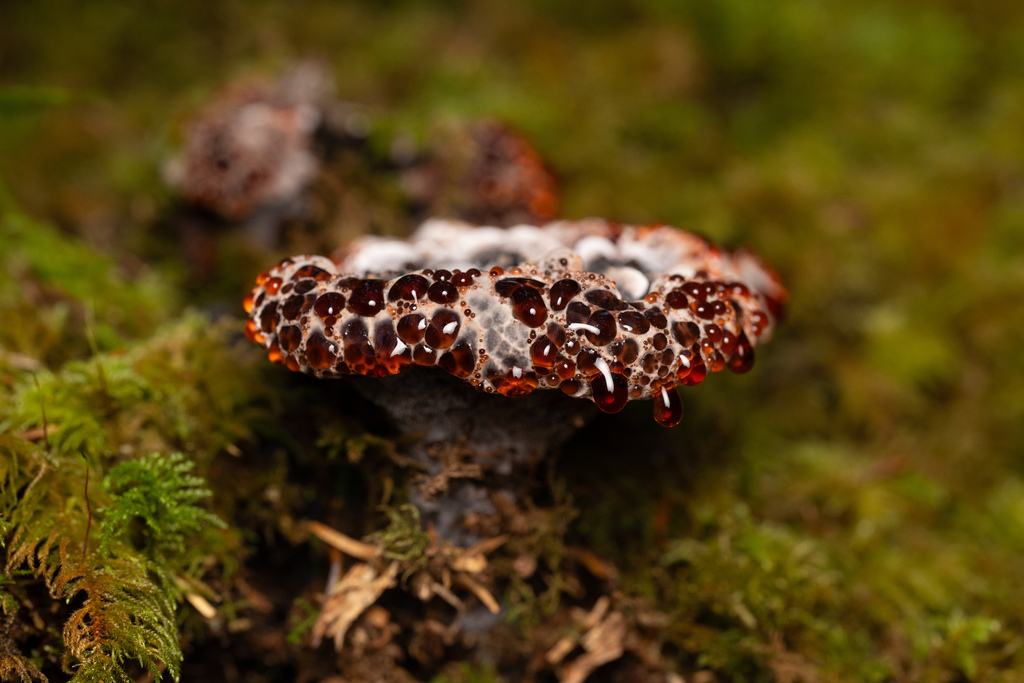


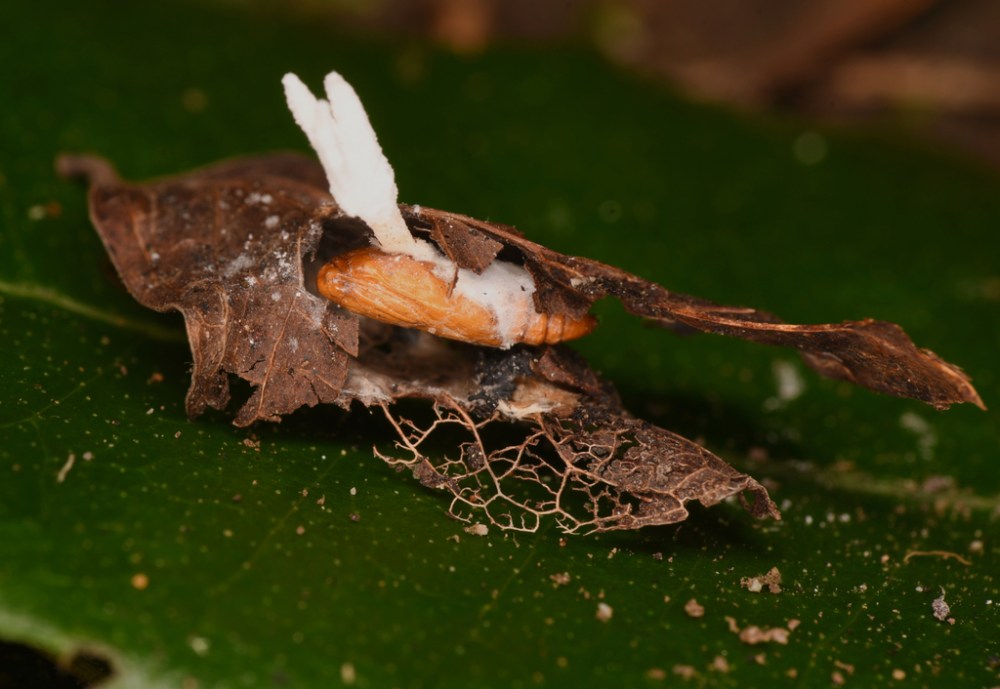
Cordyceps. My friend Mandy is incredible at finding cordyceps. On fungi surveying hike in Ferndale with fellow fungi-head Chris, Mandy spotted a Cordyceps fruiting body on the side of the trail. One led to two, which led to… finding about 23 fruiting bodies on just one short section of the trail. What we thought would be a quick stop led to, I believe, us squatting and documenting the fruiting bodies for 30-plus minutes. Bahh!
“Most Cordyceps species are endoparasitoids, parasitic mainly on insects and other arthropods (they are thus entomopathogenic fungi); a few are parasitic on other fungi” (iNaturalist/Wikipedia bio).
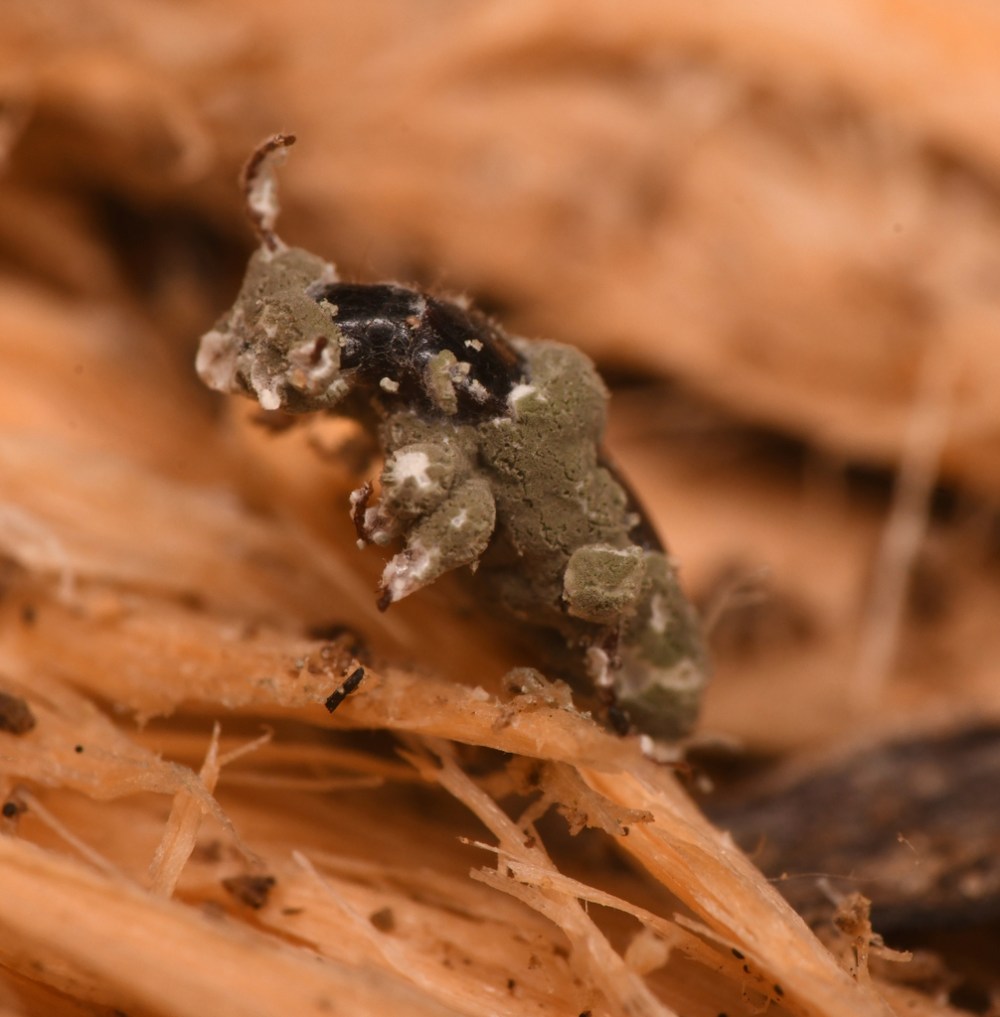
Whaaa, what happened to you, little buddy?! This beetle has been infected with the entomopathogenic fungus Metarhizium, another find by Mandy.
An entomopathogenic fungus penetrates the exoskeletons of insects and kills it or seriously disables the insect. The cycle starts with spores finding themselves on the exterior of an insect’s body. When the humidity is ideal, the hyphae go on the prowl, colonizing the insect’s cuticle, and then into the body cavity. It’s the beginning of the end from there for the insect and, hopefully, the start of a new cycle of spore production for the fungi.

Tidepool Time
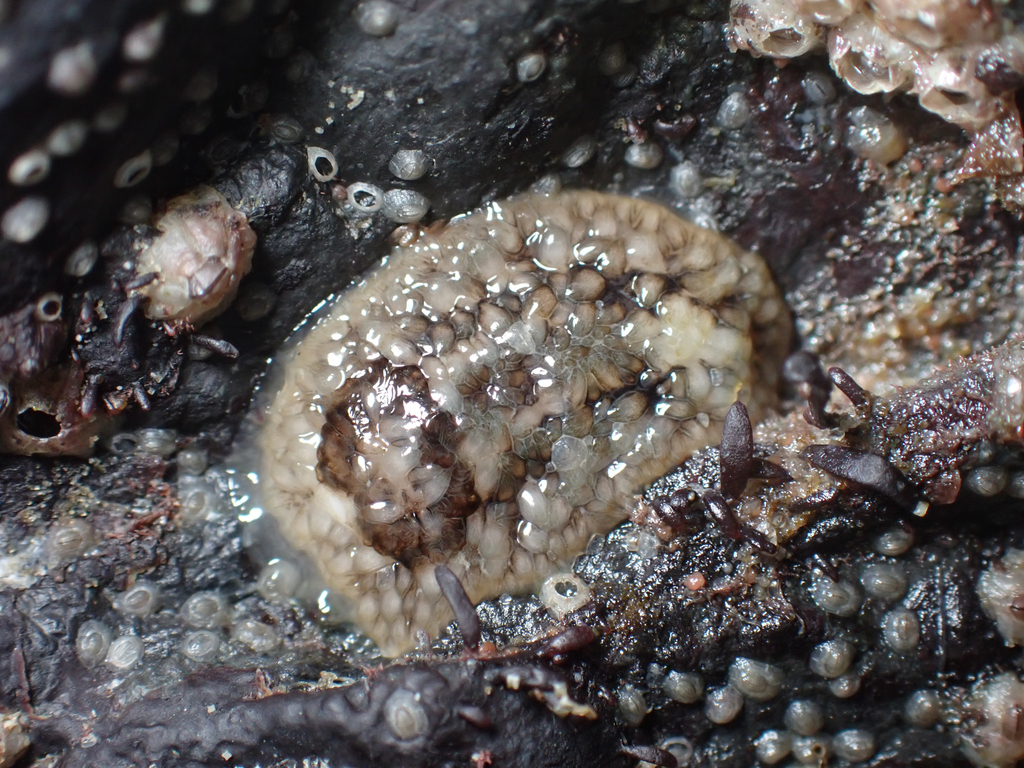

Rain hampered our tidepooling hours, but we still got in two sessions, mostly in the dark. Two nudibranch species were on our wishlist, and I managed to find one within the first five minutes. Love that! The Barnacle-eating Dorid Onchidoris bilamellata gives a barnacle vibe with its papillae. I’d love to see this one again, and on the move, but of the 4-5 we found they were all nuzzled in a depression on a large boulder, just like a barnacle, which is what they eat. Using their radula (plate-like row of teeth), they gnaw away at the barnacle’s top plate, a physical part which is basically their protective hatch. Once that’s chewed away, the contents are sucked up into the nudibranch’s digestive system. Num, num.
Wildlife Camera Results
I was able to put up my wildlife camera near our housing in McKinleyville and got a lot of deer action. It was the rutting season, so there were a lot of bucks. A few grey foxes passed through, which I always love; they are such slinky creatures. But the big catch was a bear that came through, a beefy-looking black bear, too. In our homeland of BC, this would be nothing too exciting, but for California it is!
Natural Disasters. . .again
What’s a stay in the Eureka area without an earthquake and power outage, thankfully this time they were separate instances! This year, on December 5th, a 7.0 magnitude earthquake shook us for about ~45 seconds. Thankfully, our power and water stayed on. Yahoo! Whereas in 2022, a 6.4 hit in December when we lost power and water and shook us awake in our sleep. Cal Poly Humboldt Emeritus Professor of Geology Lori Dengler in a local article by “Redheaded Blackbelt” explains, “the 2022 earthquake struck closer to the coast, with its rupture directly underneath the Eel River Valley—a region with soft sediment that amplified seismic waves, leading to significant destruction in towns like Rio Dell. In contrast, the recent quake occurred roughly 40 miles offshore on the Mendocino fault. Its offshore location diffused the energy, resulting in less concentrated shaking in populated areas.” After the bomb cycle in November, we did have about two and a half days of no power, but our hosts had a great generator, so it wasn’t too bad an ordeal.
A very frosty Thanksgiving Roadtrip

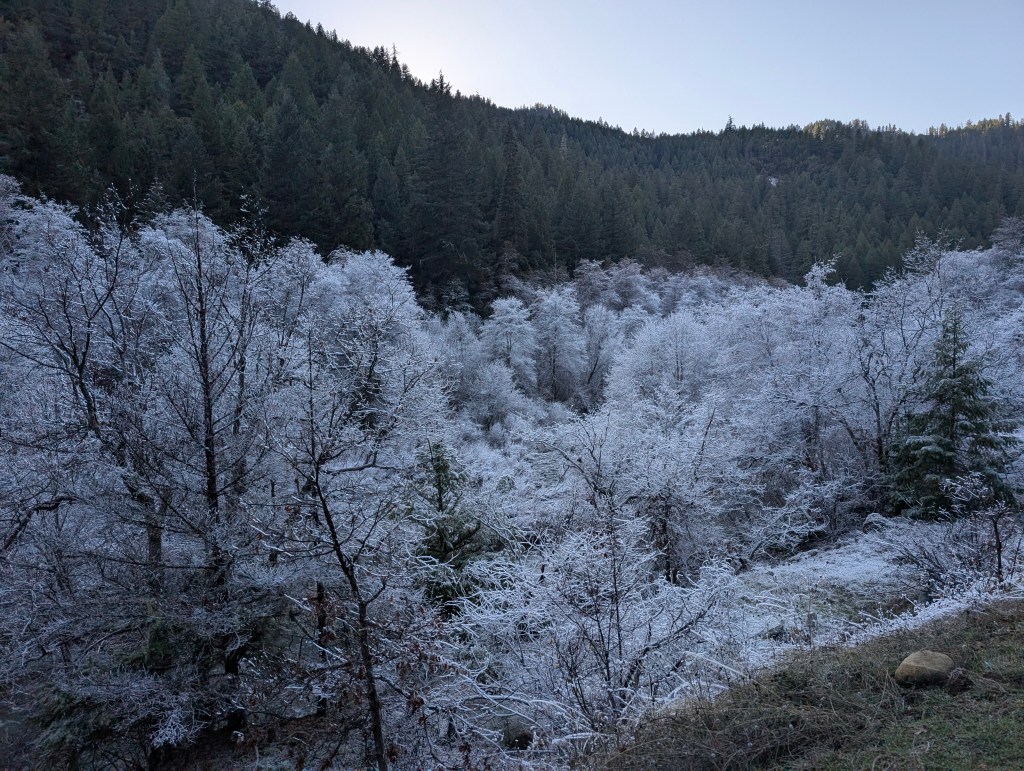


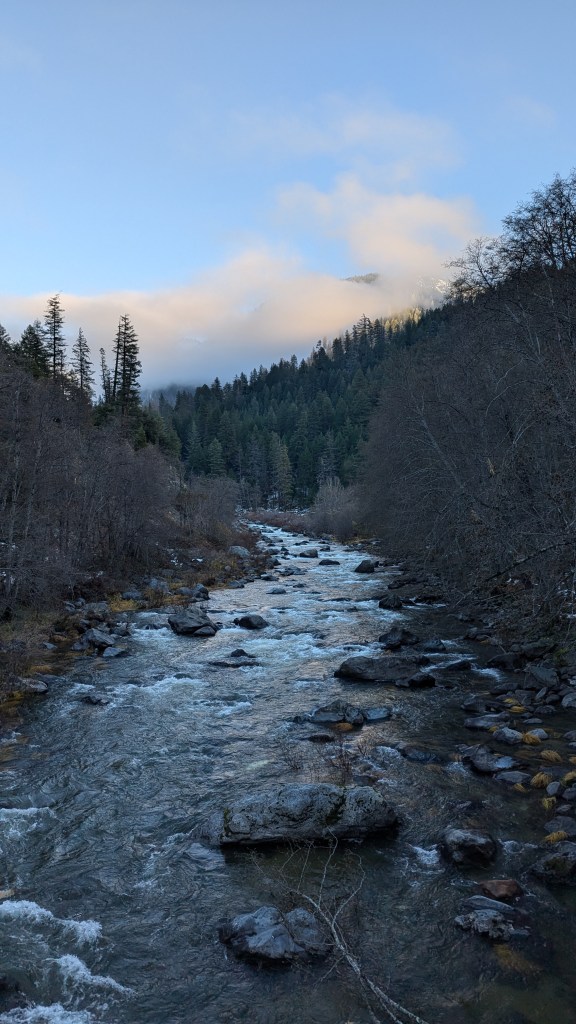
During these months, we went on two longer trips and one weekend trip up to Del Norte County, which is very few compared to our normal spring and summer adventures that are every weekend, and for that, I’m quite grateful; I needed the break. One trip was down to the Bay Area for work and health-related things. During the Thanksgiving break, we went on a chilly trip through California’s more northern interior portions, see the above photos.
Snails and salamanders were on the docket for the Thanksgiving trip, snow was not. Trevor did a great job finding snails while I took a back seat on this trip. We’ve managed to do all our trips in CA so far in our own car, an EV, but for this trip, we rented a gas-powered vehicle. That meant we didn’t have range anxiety and could bump the heat up without fear. Since it was December and not everyone wanted to camp in 20-30 F degree temps, the usually very busy campgrounds were emptyyyyy. The only other folks out and about in the remote places we scrounged around were fishermen; good on ya, the water looked very chilly. Our one meal out was in Fort Jones at Five Mary’s Burgerhouse, which had an excellent veggie burger. I love Scott Valley, and hopefully, we can eventually do a nomadic stint in the area.
Favorite Finds


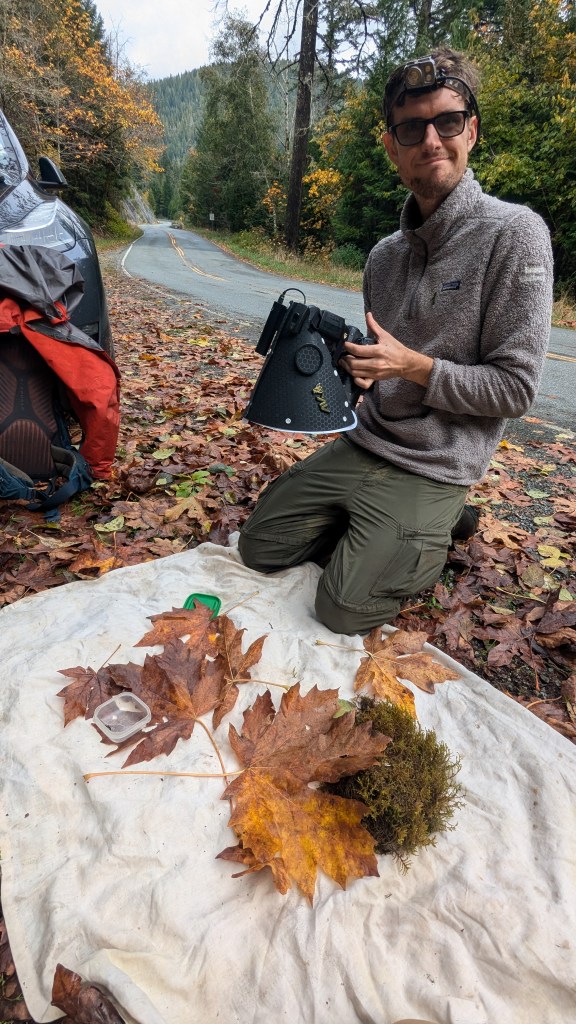
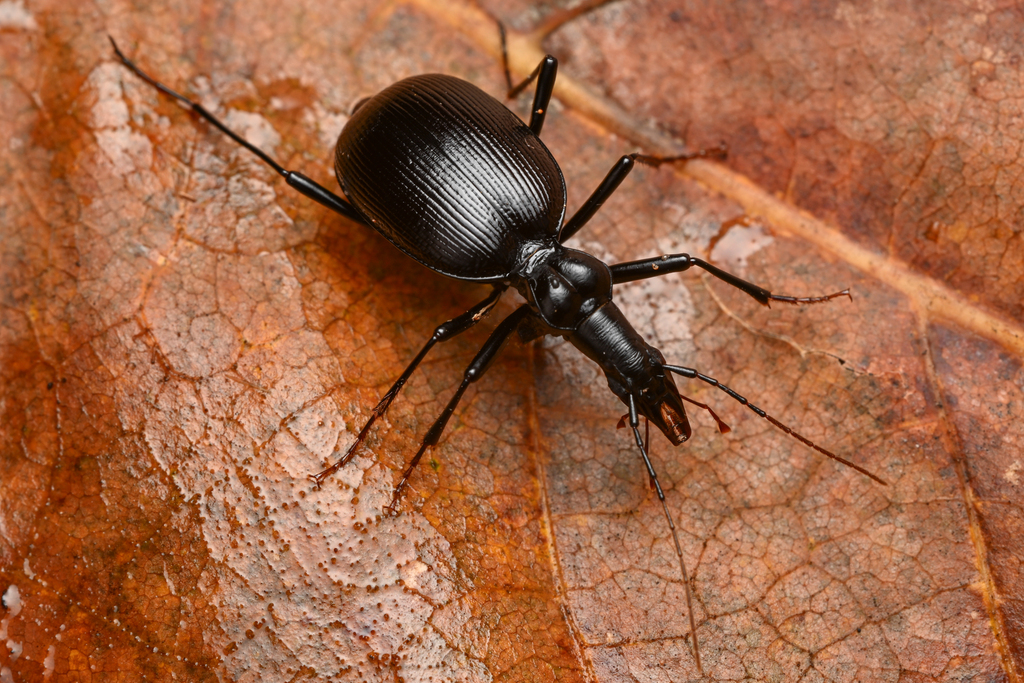
The insect hunting, collecting, and documenting continued with our usual UV light and leaf litter sorting program, as well as specific trips to find species insitu. One particular trip where we weren’t necessarily anticipating success was for Scaphinotus longiceps, known as the Long-headed Snail-eating Beetle or the Humboldt Ground Beetle. Trevor gets all the accolades for this one, and the photos came out stunningly, as we had just gotten our new upgraded camera all set up. Good timing, too, as our observation of this species is an iNaturalist and BugGuide first.
Trevor’s research led us to scruffling around a particular creek in Del Norte County (the county north of Humboldt). While it took some time, eventually, one was found under the bark of a Douglas fir tree in an old-growth forest ravine not far from the stream. How did he know it was the one? Well, the name, “long-headed” gives a good clue. But let’s explore why this beetle is so special first. . . .
“There are over 650 species of ground beetles (Coleoptera: Carabidae) listed from California (Bousquet 2012). Of these, Scaphinotus longiceps Van Dyke, 1924,is one of the most distinctive and intriguing. Surprisingly little is known about this species. Recorded only from northwestern California, this marvelous beetle ranks with the more familiar and iconic elements of California’s fauna such as the condor.” -James R. LaBonte, 2023 paper in The Pan-Pacific Entomologist
Currently, a total of two species of Scaphinotus are only found in California, S. behrensi and S. longiceps. Originally S. longiceps was described from a single specimen in 1901, it was later collected in 1931 and 1939 from only three known sites. It remained much of a mystery until more collections in ’92 and ’93 and the 2023 review and subsequent surveys. The beetle was previously only recorded from old growth forests of coast redwood or Doug Fir, but the recent surveys expand their known localities and challenge the assumption they are only found in old growth forests.
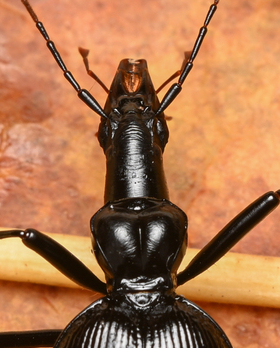

Now, back to the anatomy. Not surprisingly to anyone who’s looked at another Scaphinotus before, the head or “neck” of this one looks quite different, it is super loonnngg, or in technical terms “commensurately elongate and narrow;” additionally, the “extremely small and flattened eyes is unlike that of any other Scaphinotus” (Labonte, 2023). See the photos above for comparison, S. longiceps on the left and S. marginatus, a common species, on the right.
Fellow curious critters
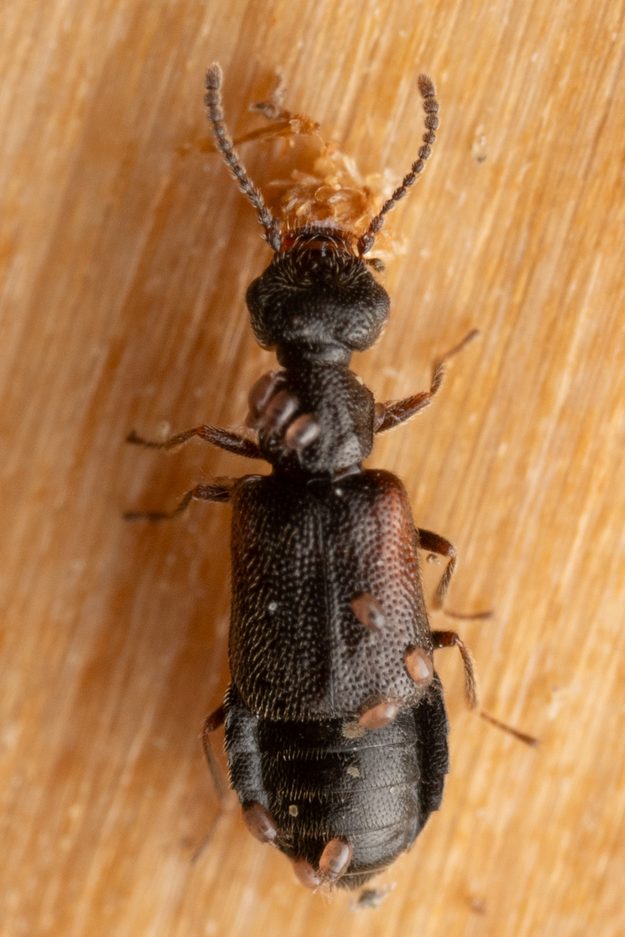
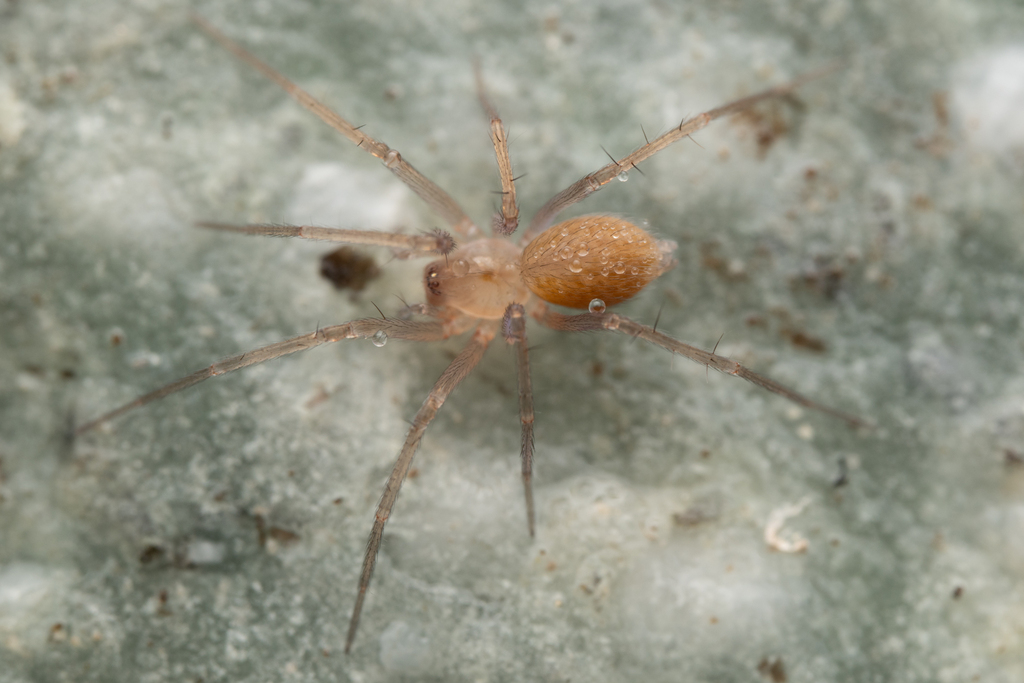
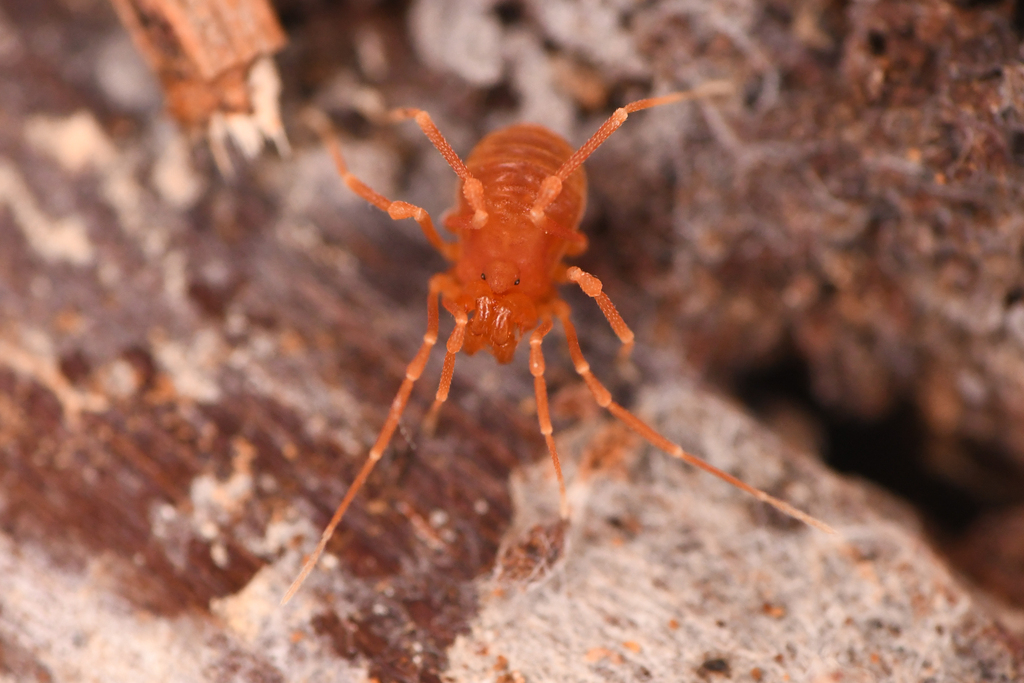
Some other interesting finds from the insect escapades:
- Top photo: Trevor’s photo of this Coryphium arizonense is the first known photo of the species alive, according to the beetle boss, Boris Buche. This individual was found under incense cedar bark.
- Photographing beetles alive for the first time is not anything new to us, but always neat.
- Second from the top: This Soft Spider (Family Cybaeidae) was found under thin rock slabs at the base of a huge cliff near Willow Creek, CA. Marshal Hedi, a Zoology Prof at San Diego State, is “currently describing a new genus, called Siskiyu, that is related to Caly. This indeed looks like a Siskiyu to me! This would be the southwestern-most known record.”
- The red guy that appears to be a mite is actually a Megacina cockerelli, a Phalangodid Harvestmen spider, found under bark.
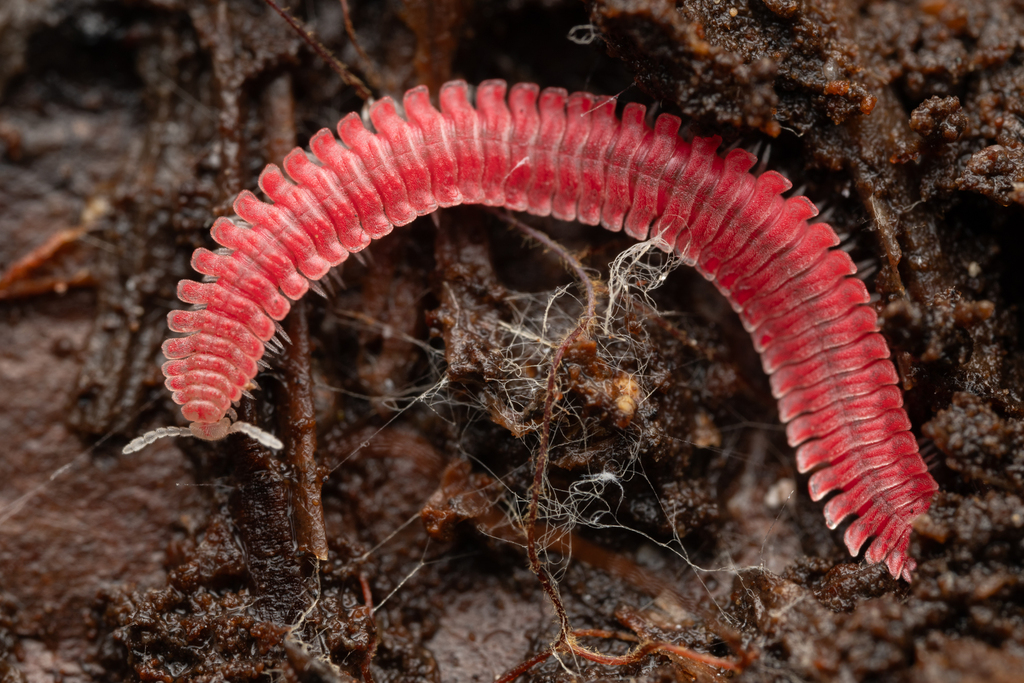
- I feel like this blogs not complete without some Feather Millipedes, which provided some fun color during these fall and winter months of staring at the forest floor, under logs, bark and rocks. The bottom photo is of a Ischnocybe plicata, and found in mixed conifer forest.
Special snails


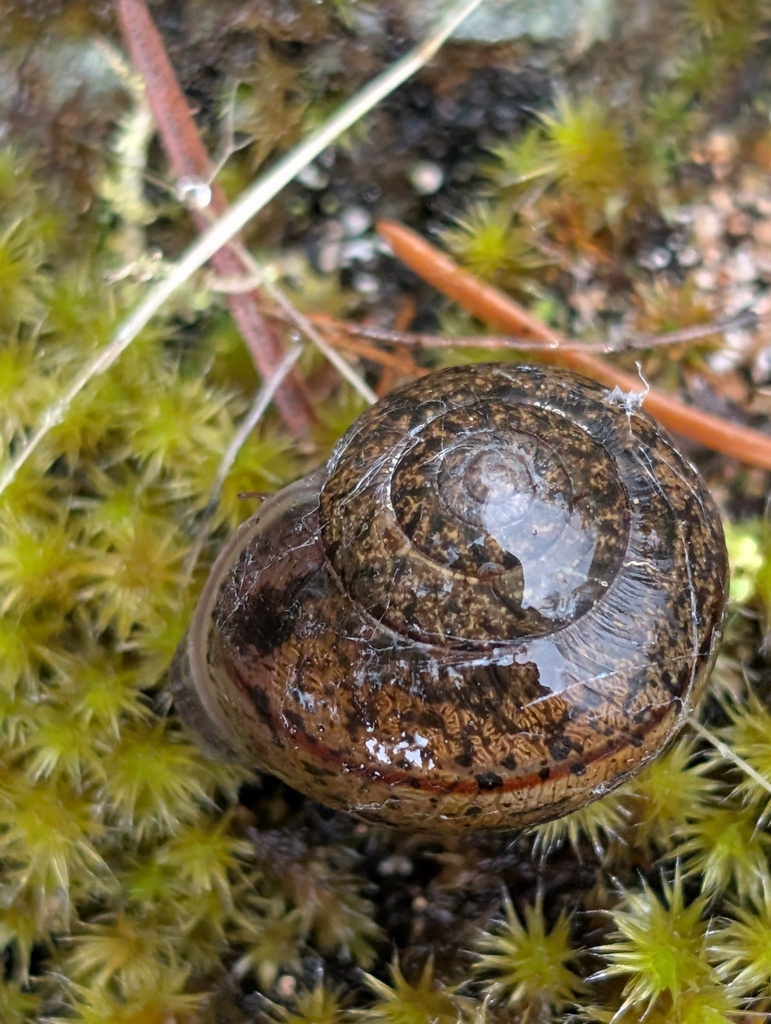

I almost didn’t include some snails in this post, but that would have been an oopsie, and I’m incapable of writing short blog posts at this rate. Soooooo here are some of the species we found. The Karok Hesperian and the Sasquatch Hesperian are imperiled in the US, the Yellow-based Sideband is critically imperiled, and the Del Norte is vulnerable. Sense a theme?
Two last critters, a Cute riverside duo
This blog could go on and on, highlighting the fantastic critters that can be found in Northern California, even in the fall/winter months. For now, the last I’ll highlight is sort of a duo, as both inhabit the same niche, and found at the same location on the same trip.
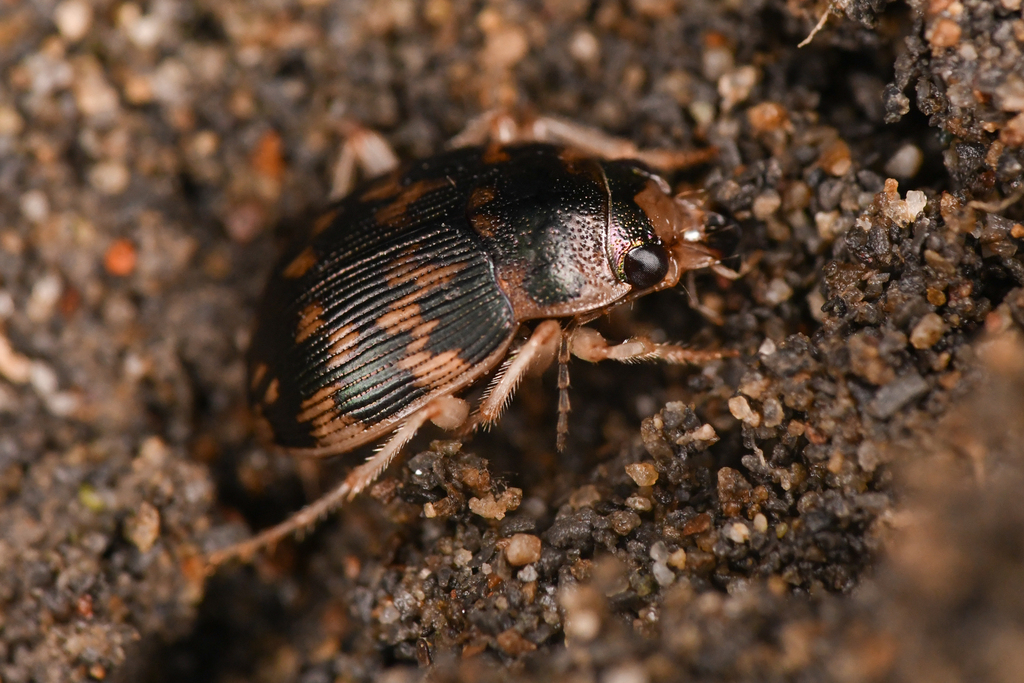
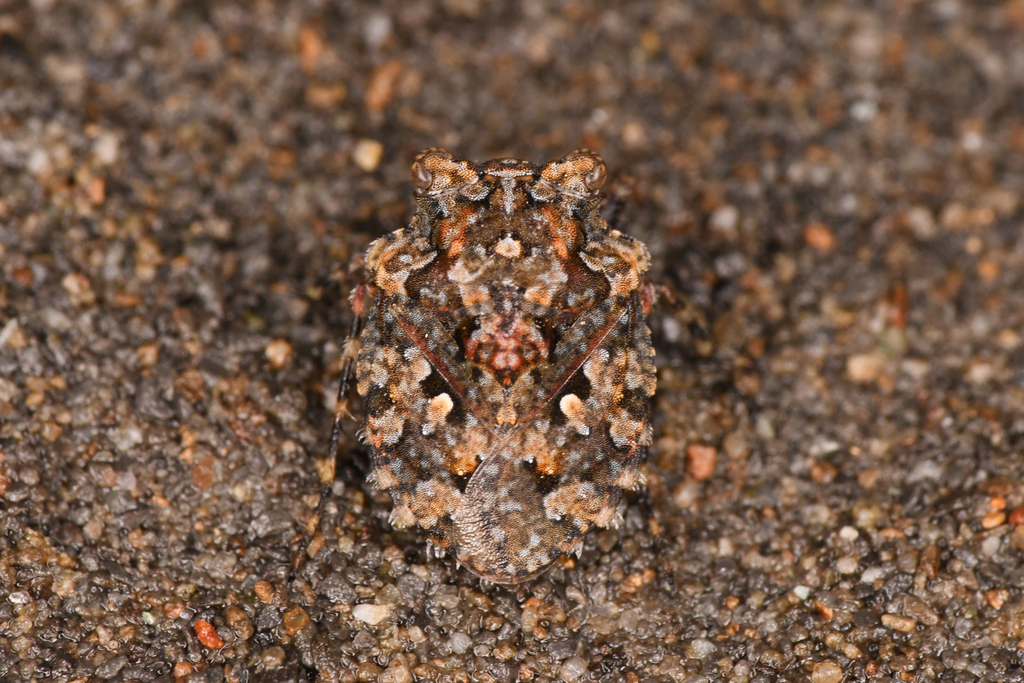
During our road trip down to the Bay Area a quick stop along the way was to search for the Solid Round Sand Beetle, a beetle that lives in wet sand near water. It was initially challenging to find a patch of sand along the rocky shore. Eventually, at the end of a “sand bar” aka “rock bar”, a small patch was found, and Trevor splashed water from the river onto the sand to get these beetles to appear. And waaa-laaa-laaa it worked! They were really cute round beetles, which are typically 5-8mm in size.
After our intended target was found I looked around for other critters to photograph, and a friendly face was spotted, a Big-eyed Toe Bug. We’ve found these guys in this same area before, but with this new camera the photos show off the camouflage abilities of these bugs so well, which is truly outstanding. “Females lay their eggs under rocks or in sand or mud and both the larva and adults are carnivorous: feeding on other insects along the shorelines (iNaturalist/Wikipedia).”
Both species are great examples of the small, overlooked insects that reside in these niche habitats that are so underrated/appreciated by our general public and nature educational programs. The tiny, odd guys need their cheerleaders, and I volunteer.


Thank you for reading, or perhaps just scrolling through this blog post of our time in Humboldt County, California. I regularly post more up to date discoveries on my Instagram page, give me a shout or a follow!
If there are any critters or questions that deserve to be included in this blog, I can always edit and add more. If so, please leave any questions or comments or just a “hello” in the comments below. It’s much appreciated!
 Chloe Van Loon's Nature Blog
Love it!
LikeLiked by 1 person