Below is a list of the gear, tools, and gadgets I use on my Naturalist adventures.
Macro Clip-on Lens
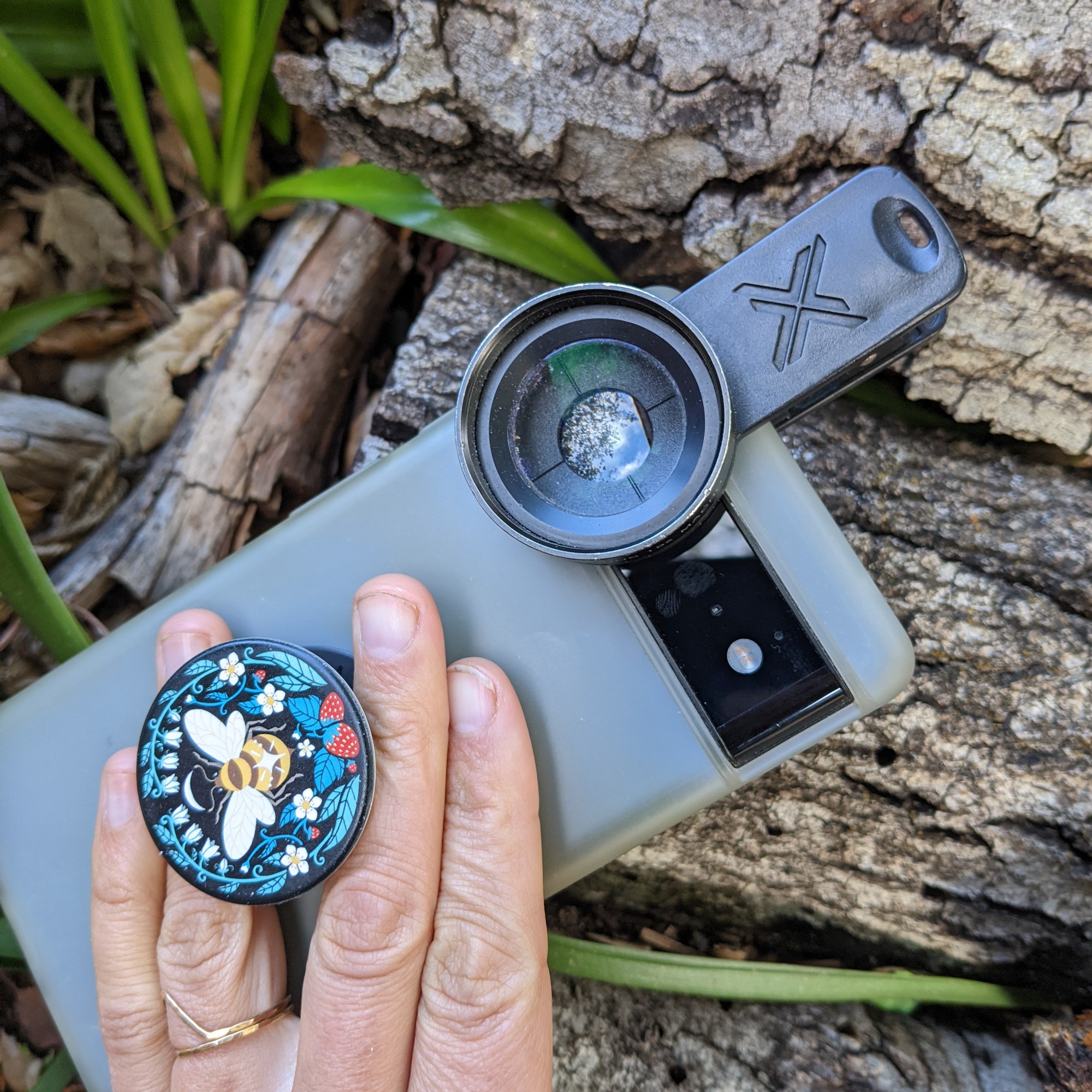
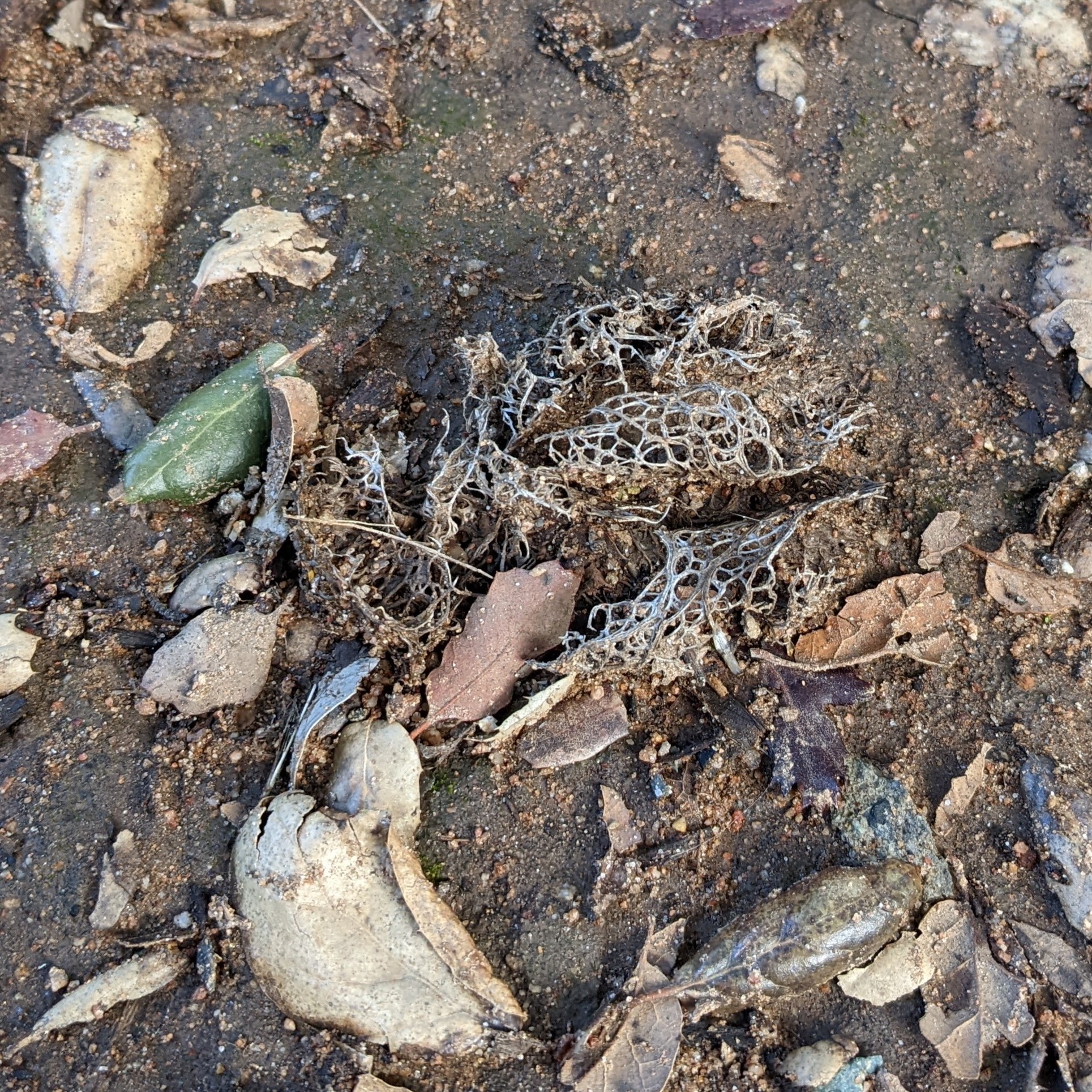
Number ONE, the best and first thing you should purchase if interested in getting into nature observation or photography is a clip-on macro lens. The world OPENS up when you view lichen, insects, and leaf hairs up close, AND take a photo of what you are seeing.
As most, if not all of us have a phone with a decent camera, attaching a clip-on lens with a 10-15x magnification will level up your Naturalist “eyes” and curiosity.
While there are many variations of these lenses, this Xenvo I’ve been carrying this one around in my pocket for over a year, so it’s quite durable. But if you have a jeweler’s loupe around you can create a similar effect by holding it up to the phone camera lens.


Macro & Underwater camera
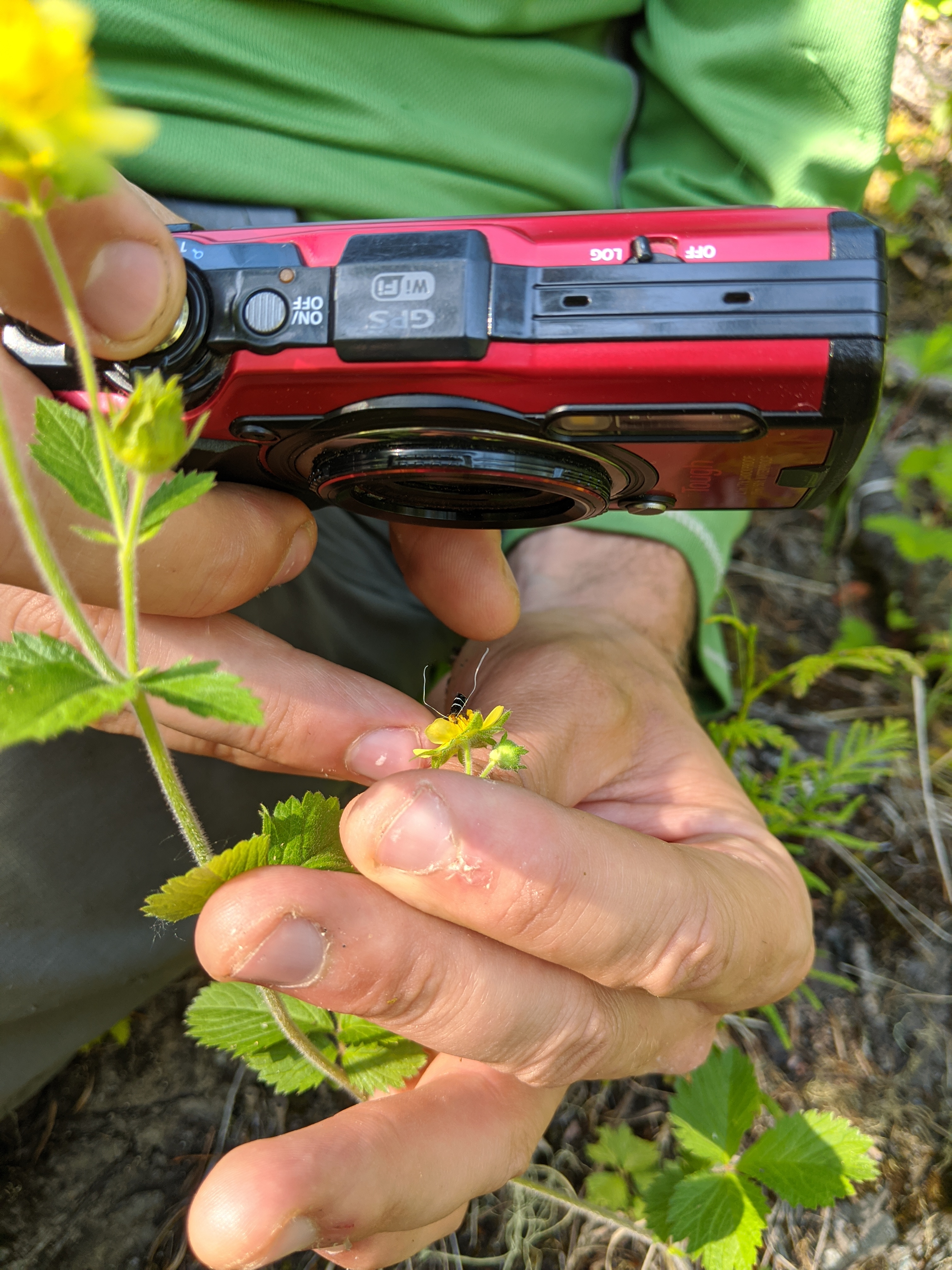
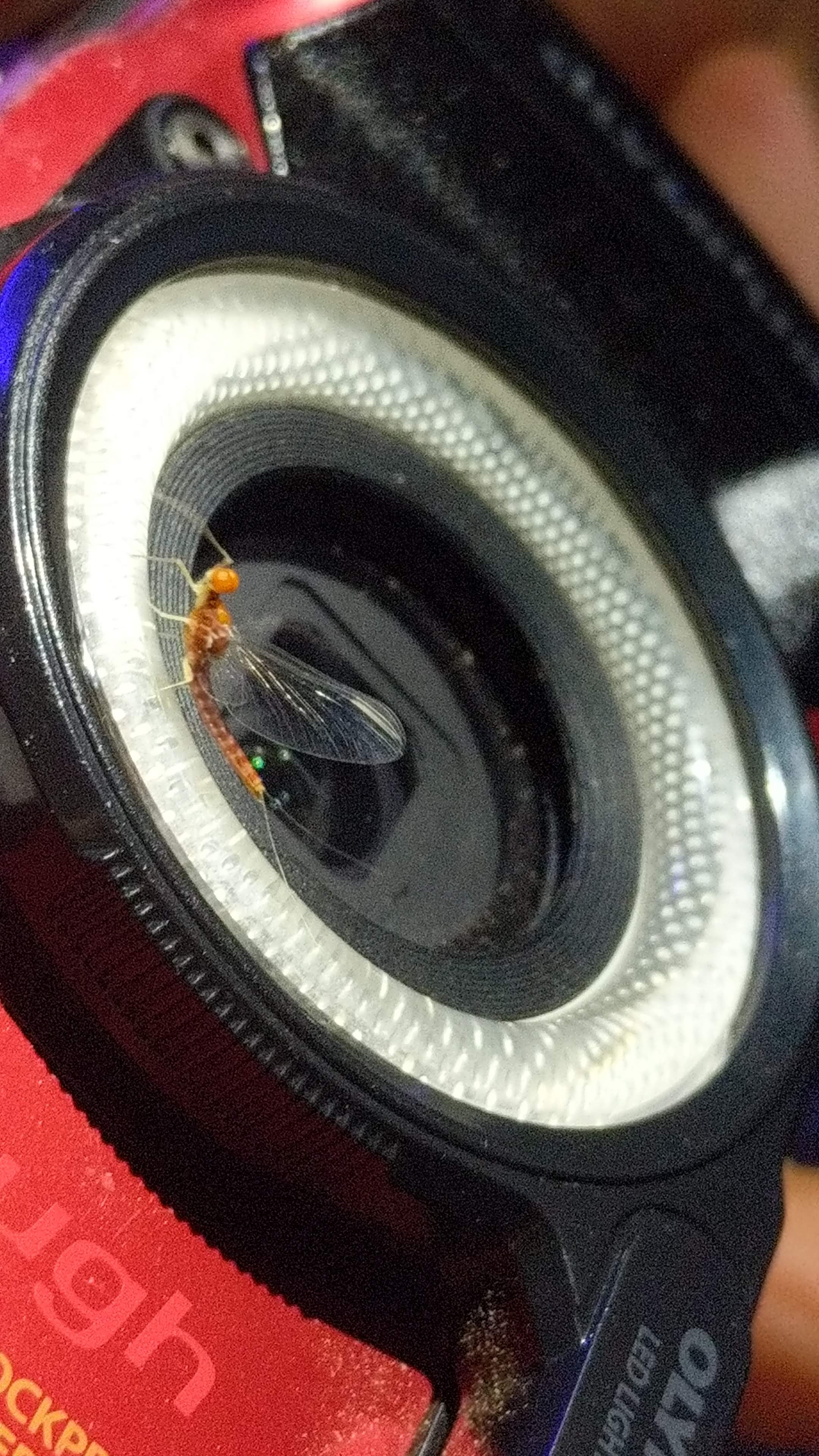
The Olympus Tough TG-6 is a small but beastly camera, that’s waterproof and has built-in focus stacking. Woot woot!
Focus-stacking takes multiple images in a quick sequence at different focal lengths so that you can get a small subjet in focus at multiple fields of depth.
Add ons:
DSLR Cameras & Accessories
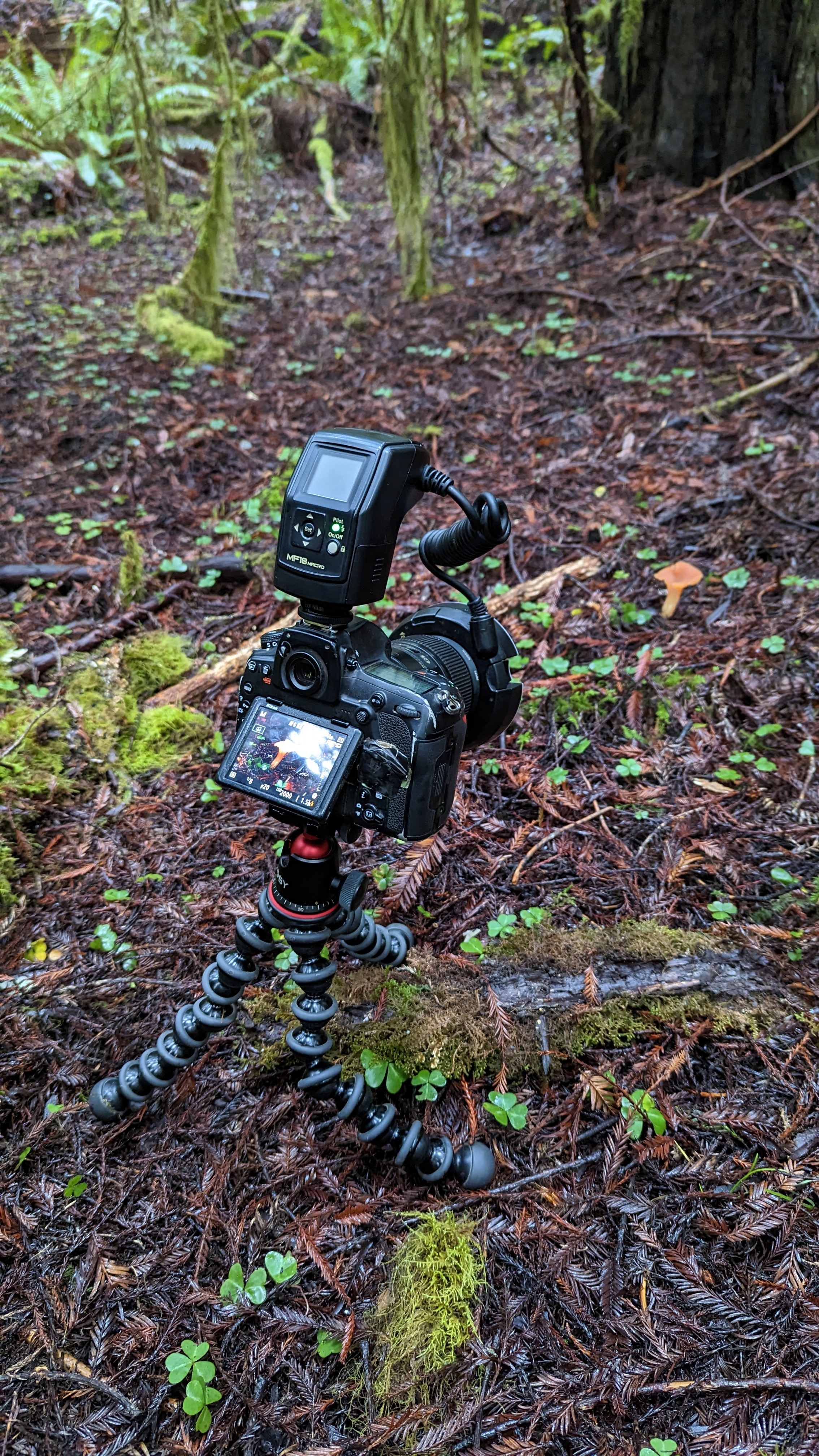
I have chosen to use Nikon cameras for our birding, macro-photography (mostly insects and fungi), and some botany.
The body I currently use is a d850. Our botany lens is Nikkor 105mm f/2.8. For birding, I have used an AF-S Nikkor 400mm f/2.8, and a AF-S Nikkor 200-500mm f/5.6. I also have a 50mm that I use occasionally, mostly for fun. When I wanted a boost in the past I have a few Kenko extension tubes and teleconverters.
I have used a Joby Gorillapod 5K tripod for botany and occasionally fungi, but mostly I just go handheld. . .or rock/shoe/backpack “held”
The flash setup is a Nissin MF18 Macro Ring Flash. Which I often pair with a Raynox DCR-250 Super Macro Snap-op Lens. I have a DCR-150 but don’t use it as often. The 250 is always brought along.
I have used a Cotton Carrier 288Grey CCS G3 strap that attaches to my backpack strap, and a BlackRapid Sport Multi-Terrain Sling for a birding setup.


Ruler
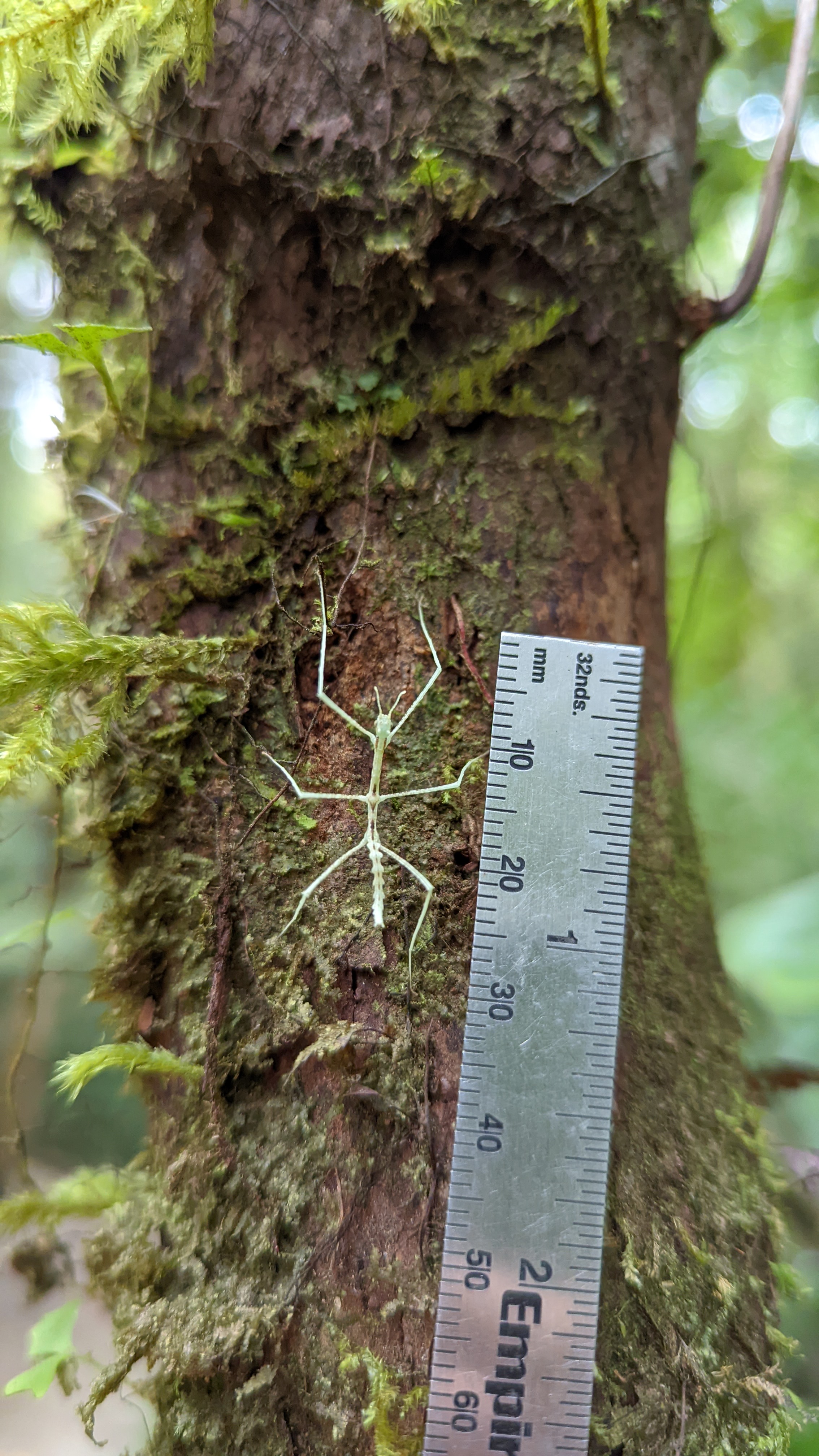
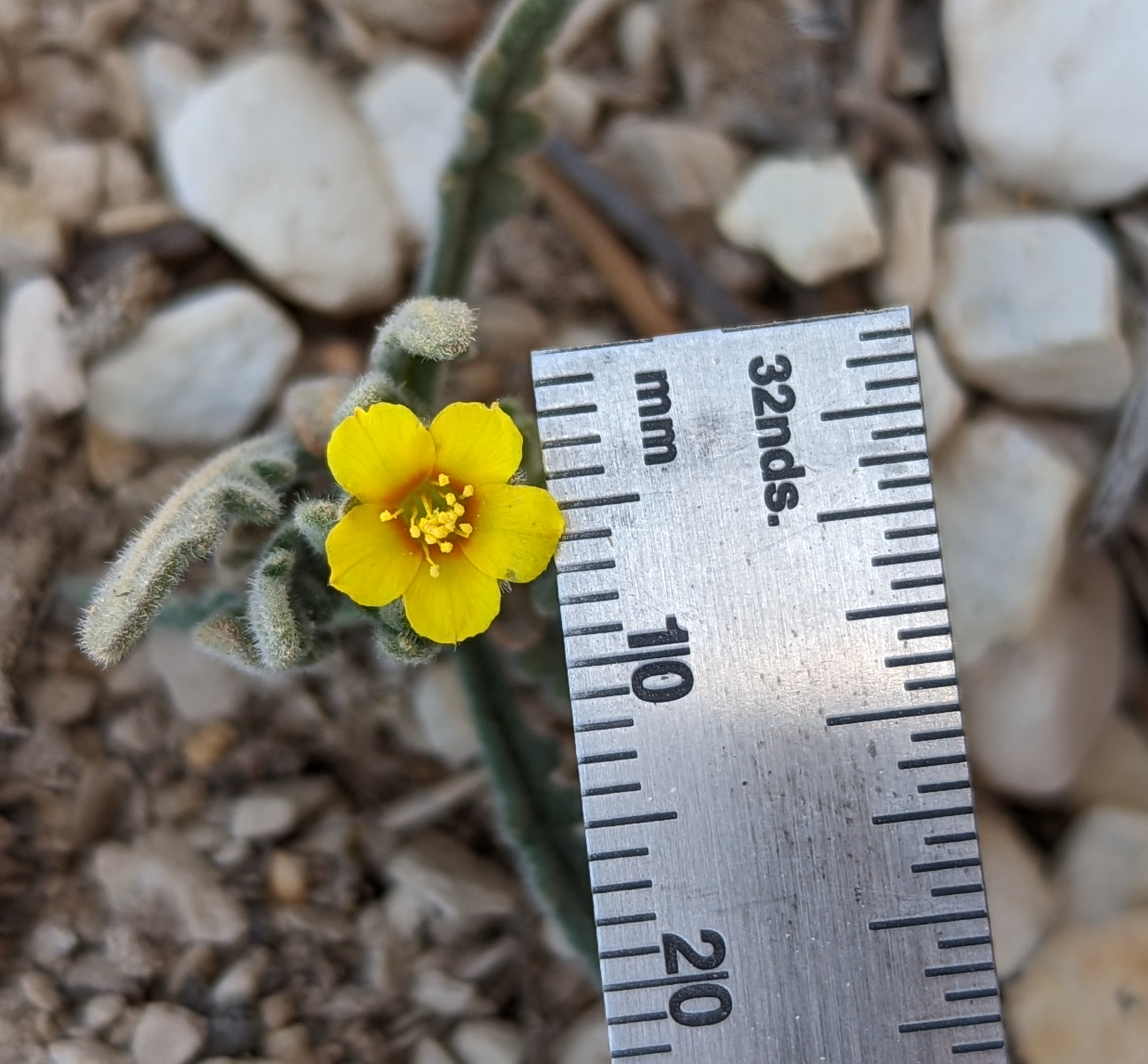
It may seem like an archaic tool, but having a ruler for reference or recording measurements is essential!
This is the one I keep repurchasing, but it’s not perfect. The perfect ruler is one you never lose. . . .
It has metric and imperial measurements, is strong/sturdy, and is able to fit in my pocket/backpack side pockets.
Day Bags-OSprey’s Kestrel Backpack
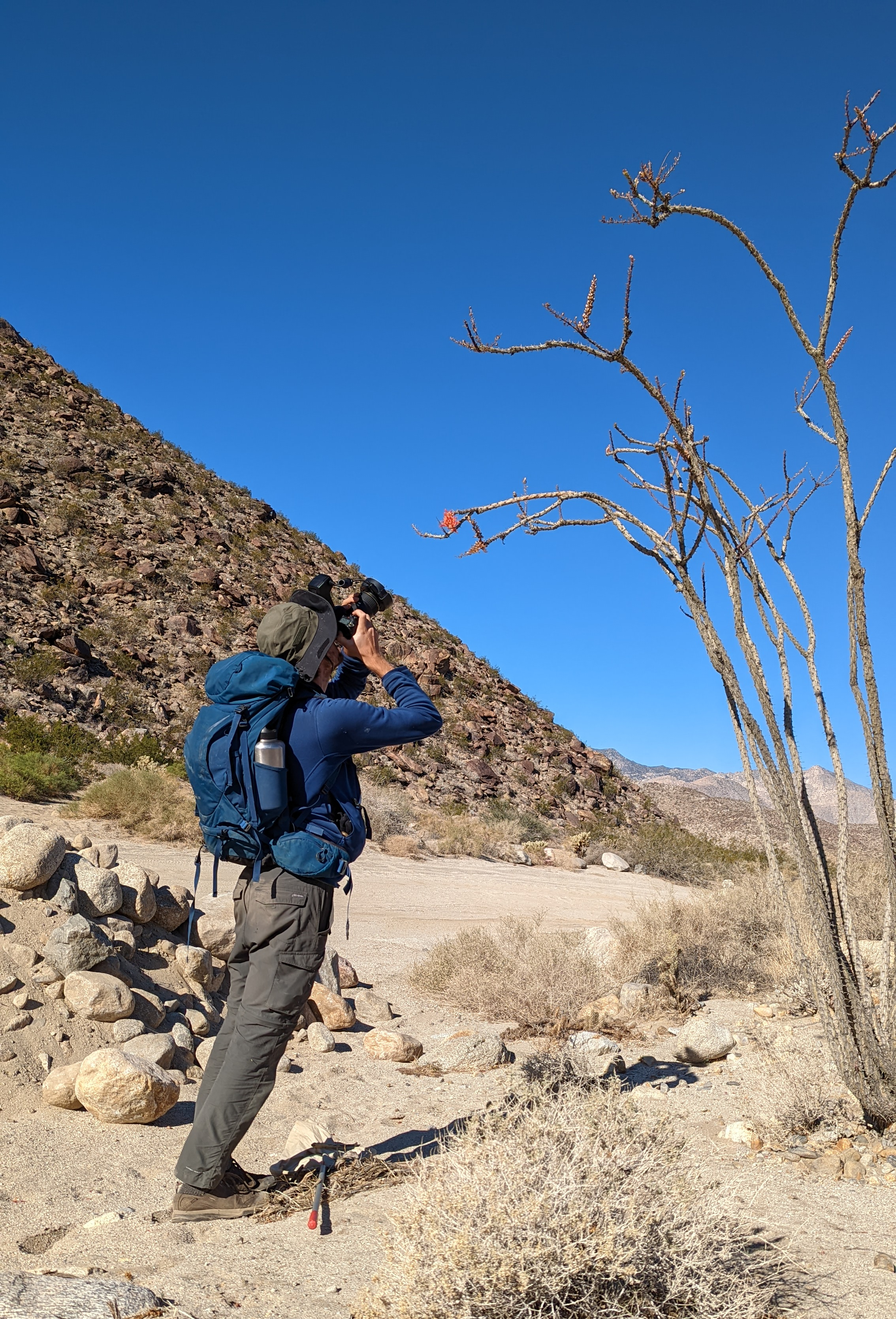
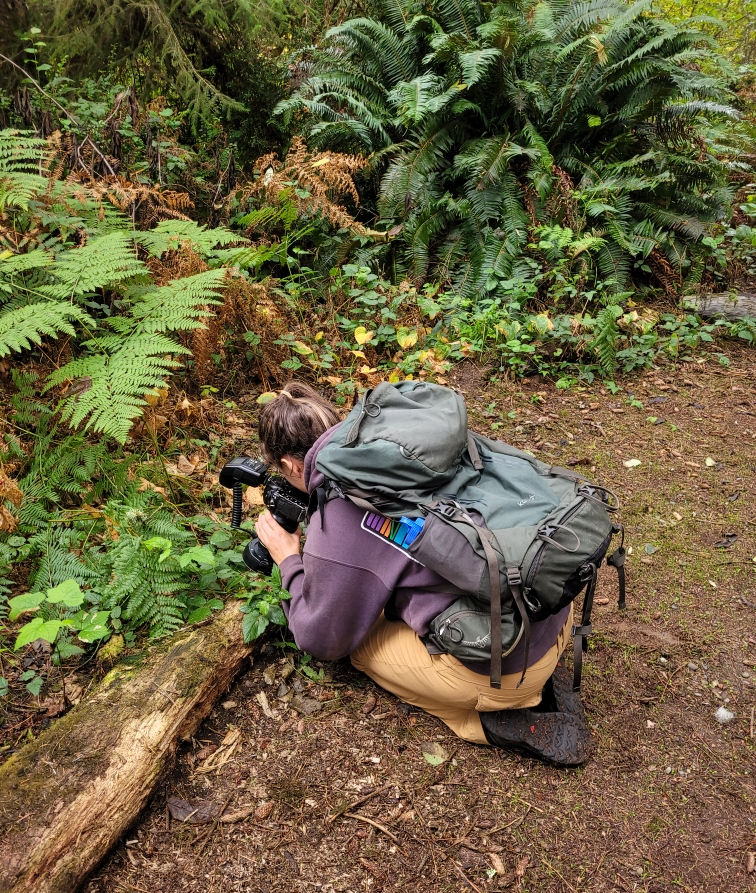
I loooove the REI garage sales. I used to wait in line for their events, but now they have sections of their store for pre-owned and returned gear. That’s how I found Osprey’s 48L Kestrel bag after my old day bag was not cutting it.
I love the ability to use a water bladder, two hip pockets, included rain cover, and general size!
Insect Nets
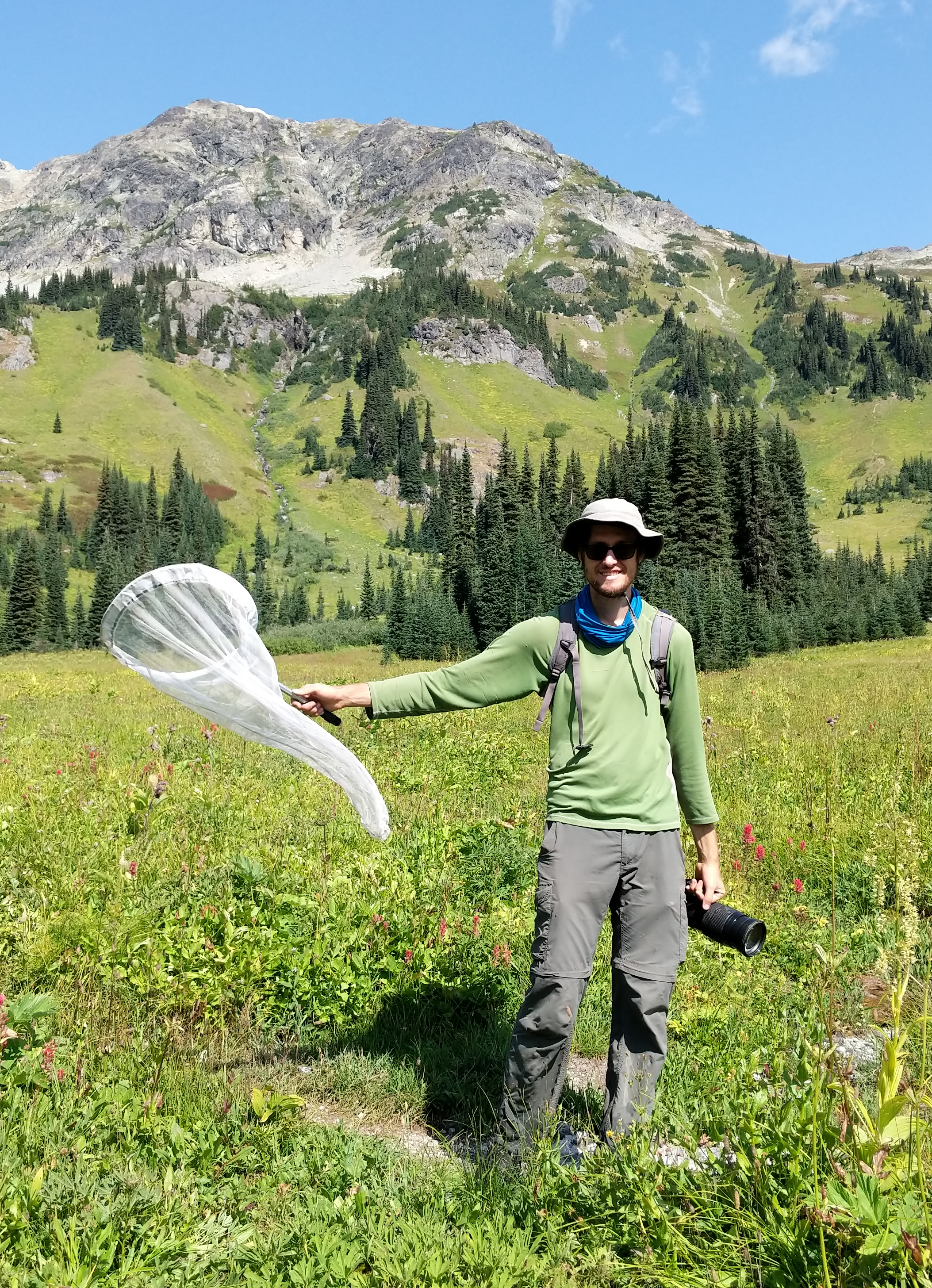
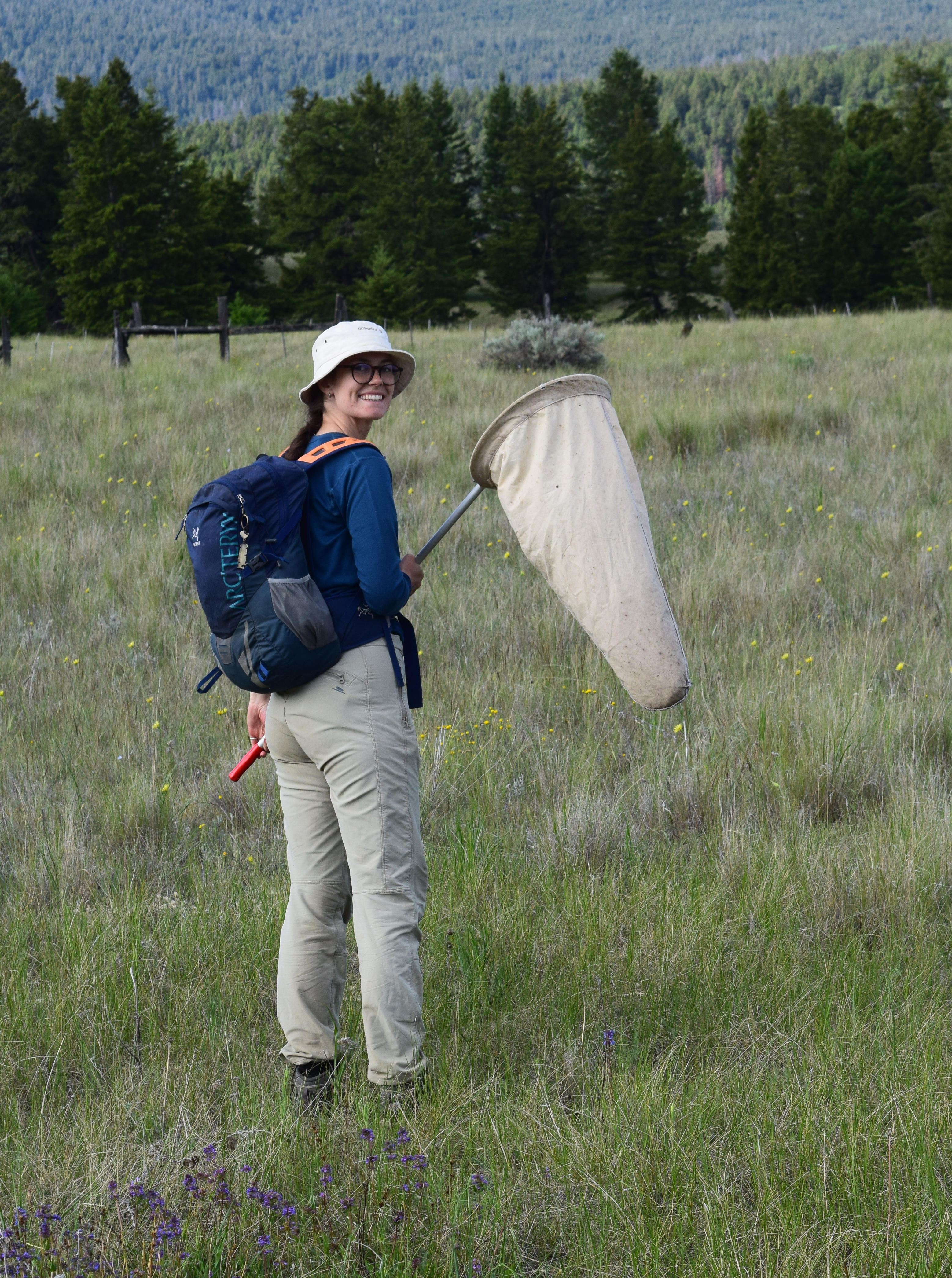
Initially, all the insect nets I used in the past were from BioQuip, which is no longer in existence. However, I have made canvas nets for sweeping, and one butterfly net. This is paired with an old sheet for dumping the insects on. I have bolstered the sweep nets with thick canvas from fabric meant to be a painting drop cloth.
Miscellaneous small things
The additional small things I carry:
- Plastic 5ml Insect Vials
- Pocket Knives
Some items I only carry when necessary or desired:
- Walkie-talkies
- Garmin inReach Mini 2
- Liquid 10% KOH (for fungal identifications)
Nature Journalling
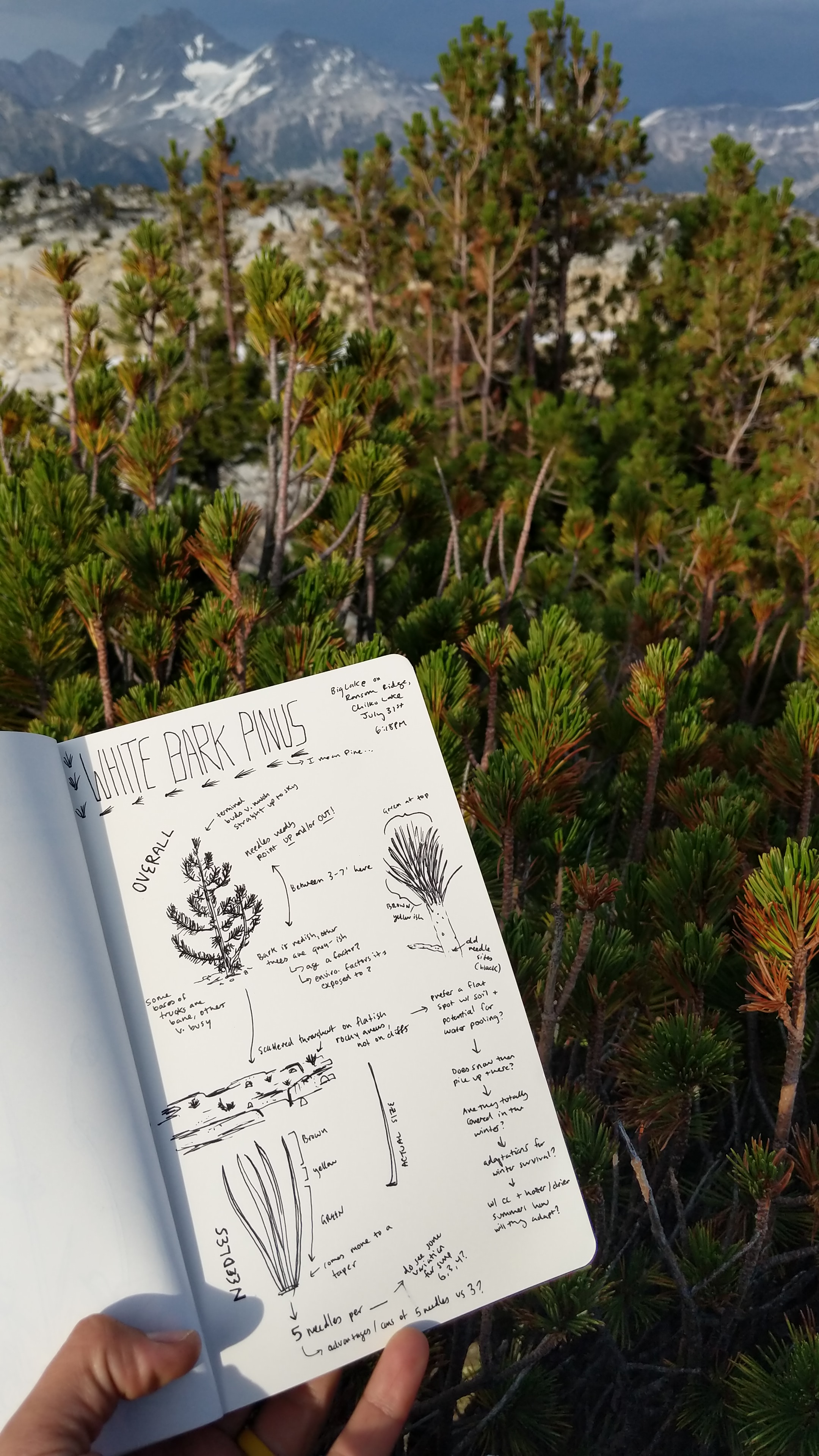
- Pencil, pens, eraser, ruler
- REI blank journal (for backpacking trips)
- Canson blank sketchbook (not durable enough for me, wouldn’t recommend)

Am I missing something you are curious to know about, gear-wise?
Send me a line, and I’ll add it to this page.

